What to Consider When Introducing Technology in Music Education in Australia
Assessing Technological Needs
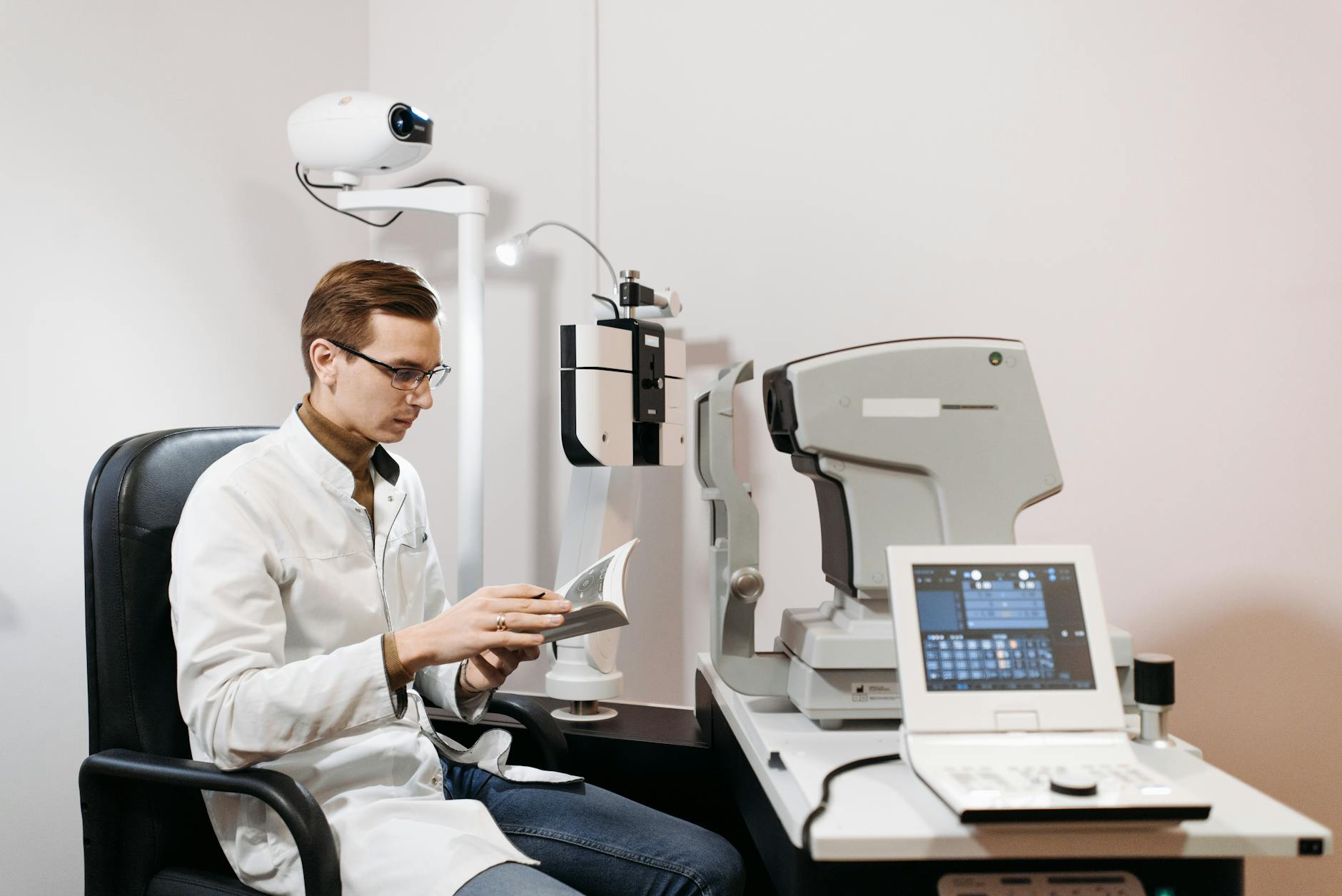
Understanding what technology can offer in music education begins with pinpointing what's currently missing. Perhaps your school has outdated equipment or lacks modern resources, like a reliable conference camera or advanced data projectors for class demonstrations. If you're located near the Queensland Performing Arts Centre, consider visiting for inspiration on integrating technology into performances and educational settings. By identifying these gaps, you'll have a clearer picture of where upgrades could make the most impact.
Evaluating School Infrastructure
Before you bring in shiny new gadgets or the latest guitars for sale, it's essential to ensure your school's infrastructure can support them. Check for strong internet connectivity, adequate electrical wiring, and effective acoustics in music rooms. This can ensure that both students and teachers can use the new tools seamlessly without technical hiccups interrupting the learning process.
Setting Educational Objectives
Once you’ve established your technological needs and prepared your infrastructure, it's time to set compelling educational objectives. Consider what you want students to achieve with these tools—better creativity in composition, improved sound quality for recordings, or perhaps more engaging performances. Clarity here sets the stage for tech not just to assist current curriculums but to transform the learning experience into something truly dynamic.
By considering these factors, you set a strong foundation for successfully integrating technology into your music education program, enhancing both the teaching and learning experience.
Choosing the Right Tools
Instrumentation and Software
Incorporating technology into music education involves selecting the right tools to enhance and not overwhelm the learning experience. As we explore options, consider devices like mesh radios, which can dynamically connect instruments and audio equipment in a classroom setting. This offers students a more interactive and collaborative environment where they can experience the nuances of live sound distribution. Similarly, investing in high-quality monitors for video conferencing will ensure clear communication during virtual lessons or collaborations with remote musicians, allowing your teaching to reach beyond the classroom walls.
Digital Platforms for Learning
Digital platforms have revolutionized access to music education, providing resources and interactive lessons aligned with various learning styles. Look for platforms offering a diverse range of musical genres and techniques, allowing students to explore everything from classical to contemporary music. Consider platforms that offer analytics to track student progress, ensuring each student receives personalized feedback on their journey.
Integration with Existing Systems
Integrating new technologies with your current setup is crucial. Assess how additions like a motorised projector screen can enhance instructional delivery by providing visual accompaniments to lessons. This not only improves engagement but can also transform any classroom into a dynamic learning environment. As you explore these options, think about resources available around Brisbane, such as the South Bank cultural precinct, which can be a source of real-world inspiration for your teaching approach. Through thoughtful integration, you can enrich students’ musical experiences while fostering their creative development.
Implementing Tech Solutions
Training Teachers and Staff
To effectively integrate technology into music education, it's essential to empower educators. Creating a robust training program focused on pro audio equipment and digital tools can be a game-changer. Educators should explore innovative audio solutions such as induction loop systems to ensure every student can participate fully, including those with hearing impairments. Regular workshops at places like the Queensland Performing Arts Centre can provide hands-on experience and insights into state-of-the-art technology.
Engaging Students Effectively
Today's students are digital natives, so meeting them on their level with the right tech can transform their learning experience. Intriguing them with interactive tools and platforms, for instance, using virtual reality to give an immersive concert experience or leveraging online platforms for collaborative projects, can heighten engagement. Consider involving local music stores in Fortitude Valley to showcase instruments and tools, making the learning process tangible and interactive. They might find it inspiring to see creative possibilities they can touch and explore.
Monitoring Progress and Impact
Once technology is embedded within your educational framework, it's crucial to monitor its impact. Develop metrics that track student engagement, learning outcomes, and teacher feedback. This can be as simple as regular check-ins or leveraging analytics from digital learning platforms. Use this data to adjust and refine your approach, ensuring that technology complements the educational objectives rather than overshadowing them. This adaptive approach helps to sustain an enriching and modern music education environment.
Addressing Potential Challenges
Overcoming Budget Constraints
Navigating budget constraints while integrating technology into music education requires strategic allocation of resources. One approach is prioritizing investments in essential tools like acoustic panels, which can significantly enhance sound quality in classrooms. Collaborating with local music stores in Fortitude Valley might offer opportunities for discounts or lease options, reducing upfront costs. Additionally, seeking grants and funding from arts organizations can also support financial planning, ensuring access to high-quality equipment like recording microphone sets essential for fostering student creativity.
Minimizing Tech Overload
Integrating technology should enhance, not overwhelm, the educational experience. Striking a balance between digital and traditional teaching methods can prevent tech overload. Limit the number of digital tools introduced at once, focusing instead on mastering a few that align closely with educational goals. For instance, using a single platform for multiple functions, such as a recording app that doubles as an editing tool, can streamline processes. Regular feedback from students and teachers will help identify which technologies truly enhance learning and which might be more distraction than aid.
Ensuring Equal Access for All
Ensuring equal access to technological resources in music education is vital. Implementing a system where equipment rotates among students can democratize access. Schools might also consider introducing a tech rental program, allowing students to borrow devices for practice at home. Partnerships with community organizations provide another avenue for enhancing resources without significant financial strain, offering additional support to students who may otherwise be disadvantaged. Maintaining a focus on equity ensures that all students can benefit from technology's educational potential.
Effective Strategies for Integrating Tech in Music Education
Staying Current with Resources
Staying ahead in music education requires constantly updating resources. Keep your curriculum fresh by regularly checking the local music stores in Fortitude Valley for the latest gear or experimenting with apps like free music production software that can offer students hands-on experiences. Align your resources with offerings at venues like the Queensland Performing Arts Centre, where exposure to professional equipment can enhance student learning.
Cultivating Collaboration
Creating a collaborative environment is crucial. Engage fellow educators in tech-focused discussions or workshops, perhaps organised within the vibrant South Bank cultural precinct. Sharing successes and insights fosters a community eager to innovate. Encourage students to work in groups using digital platforms, as teamwork often leads to creative breakthroughs, mirroring the ensemble work typical of the arts.
Promoting Ongoing Innovation
To truly inspire, applaud innovation as it emerges. Stay curious about new trends and tools in music technology and invite experts for talks or sessions. For instance, incorporate workshops that simulate a how to make play beats online free session directly from Brisbane's dynamic music scenes, allowing students to create and share music effortlessly. This approach not only enhances learning outcomes but also keeps the excitement alive in the classroom.
Engaging in these strategies ensures your tech-infused music curriculum resonates with the vibrant cultural tapestry of Brisbane while empowering students with tools to express their musical genius.